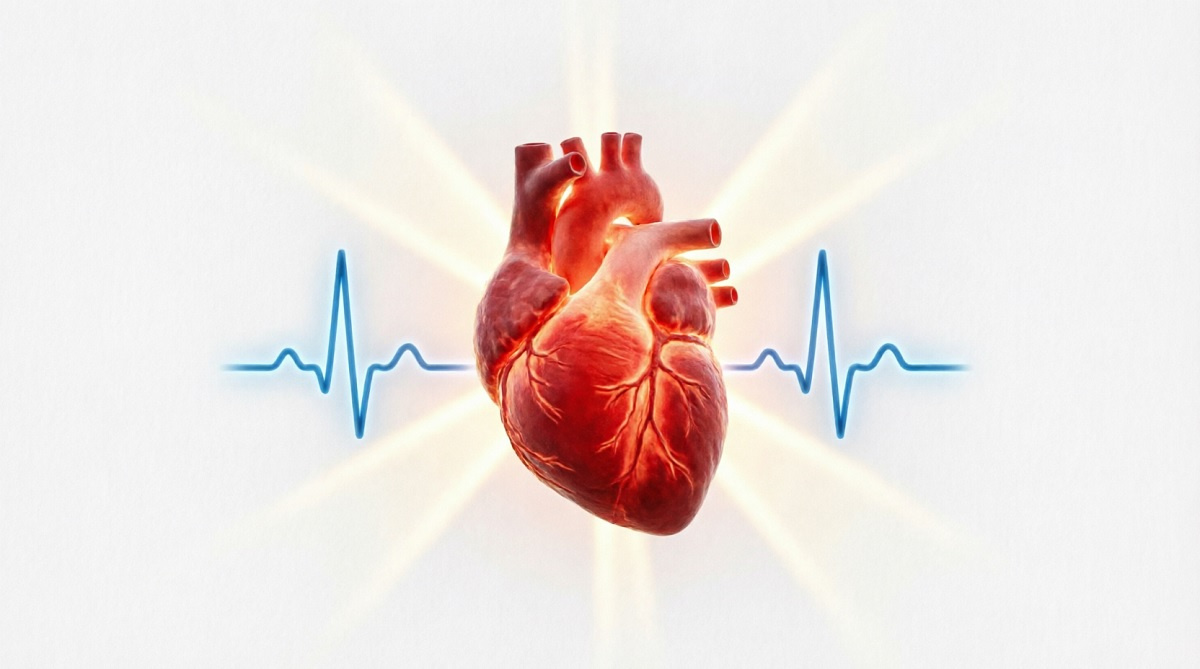

Prepare for World Heart Day 2026 with expert-backed heart health awareness tips. Learn the early signs of heart disease and actionable steps to protect your cardiovascular health.
Summary:- This article provides a detailed, evidence-based resource for World Heart Day 2026, focusing on actionable heart health awareness and cardiovascular disease prevention. It is designed for health-conscious readers seeking expert-backed strategies, clear screening guidelines, and direct answers to common heart health questions, aligning with top-tier medical standards.
World Heart Day 2026 is a global initiative observed on September 29 to promote heart health awareness and combat cardiovascular disease, the world’s leading cause of death. Protecting your heart requires managing risk factors like high blood pressure and cholesterol, recognizing early warning signs of heart attacks, and committing to regular cardiovascular screenings and a heart-healthy lifestyle.
Cardiovascular disease remains the leading cause of death globally, yet up to 80% of premature heart attacks and strokes are preventable. As World Heart Day 2026 approaches on September 29, the focus shifts from general awareness to actionable, evidence-based prevention.
Leading medical institutions, including Cleveland Clinic Abu Dhabi, emphasize that true heart health awareness goes beyond basic clichés. It requires understanding your specific risk factors, recognizing subtle warning signs, and committing to routine medical screenings. This resource breaks down exactly what you need to know to protect your cardiovascular system this year and beyond.
What is World Heart Day and Why Does It Matter?
World Heart Day is an annual global campaign organized by the World Heart Federation to educate the public about cardiovascular disease and promote proactive heart health awareness. Observed every September 29, it serves as a critical reminder that heart disease is largely preventable through lifestyle modifications and early medical intervention.
World Heart Day transforms global heart disease awareness into actionable prevention, emphasizing that most cardiovascular events are avoidable with early, informed intervention.
What Are the Hidden Signs of Heart Disease You Shouldn’t Ignore?
Many people assume heart disease only presents as sudden, crushing chest pain. In reality, symptoms often develop gradually and vary significantly by gender and underlying conditions. Recognizing these early indicators is a cornerstone of effective heart disease awareness:
- Unexplained Fatigue: Persistent tiredness, especially in women, can signal reduced blood flow or early heart failure.
- Shortness of Breath: Difficulty breathing during routine activities or while lying flat warrants immediate medical evaluation.
- Swelling (Edema): Fluid buildup in the legs, ankles, or feet often indicates the heart is struggling to pump efficiently.
- Atypical Chest Discomfort: Pressure, tightness, or aching in the chest, jaw, neck, or upper back.
- Cold Sweats and Nausea: Sudden, unexplained sweating or stomach upset can precede a cardiac event, particularly in women.
Heart disease symptoms are not always dramatic; persistent fatigue, shortness of breath, and atypical chest discomfort are critical early warning signs requiring prompt medical evaluation.
5 Evidence-Based Steps to Improve Your Heart Health Today
General advice to “eat well and exercise” lacks practical utility. Here are specific, measurable actions endorsed by cardiovascular specialists:
- Know Your Numbers: Aim for a blood pressure below 120/80 mmHg and an LDL cholesterol level under 100 mg/dL (or lower if you have existing risk factors).
- Prioritize Sleep Quality: Chronic sleep deprivation (less than 7 hours nightly) is directly linked to hypertension and increased cardiovascular risk.
- Adopt a Mediterranean-Style Diet: Focus on whole grains, lean proteins, healthy fats (like olive oil and avocados), and a high intake of vegetables, while strictly limiting ultra-processed foods and added sugars.
- Engage in Zone 2 Cardio: Accumulate at least 150 minutes of moderate-intensity aerobic exercise per week. This means you can hold a conversation while exercising, but your heart rate is still elevated.
- Manage Chronic Stress: Persistent stress elevates cortisol and adrenaline, which can damage arterial walls over time. Incorporate daily stress-reduction practices like deep breathing or mindful walking.
True heart health relies on measurable metrics: maintaining optimal blood pressure, prioritizing seven hours of sleep, and committing to 150 minutes of weekly moderate cardio.
Heart Health Screenings: What to Ask Your Doctor
Prevention is impossible without data. Regular screenings provide the baseline needed to catch issues before they become emergencies.
| Screening Test | Recommended Frequency | What It Measures |
|---|---|---|
| Blood Pressure Check | At least annually | Force of blood against artery walls; identifies hypertension. |
| Lipid Panel (Cholesterol) | Every 4–6 years (more often if high risk) | Levels of LDL (“bad”), HDL (“good”), and triglycerides. |
| Fasting Blood Glucose / HbA1c | Every 3 years starting at age 35 | Blood sugar levels to screen for diabetes or prediabetes. |
| Electrocardiogram (ECG/EKG) | As recommended by a physician | Electrical activity of the heart; detects arrhythmias or prior damage. |
Routine cardiovascular screenings, including annual blood pressure checks and regular lipid panels, provide the critical data needed to prevent heart disease before symptoms appear.
How Does Stress Actually Impact Your Heart?
Chronic stress is not just a mental health issue; it is a direct cardiovascular risk factor. When you experience prolonged stress, your body continuously releases hormones like cortisol and adrenaline.
This sustained hormonal surge increases heart rate and blood pressure, while also promoting inflammation in the arteries. Over time, this environment accelerates the buildup of plaque (atherosclerosis), significantly raising the risk of heart attacks and strokes. Managing stress is a fundamental component of heart disease awareness and prevention.
Chronic stress continuously elevates cortisol and adrenaline, accelerating arterial inflammation and plaque buildup, making stress management a medical necessity for heart health.
World Heart Day 2026 is more than a date on the calendar; it is a direct call to action for your long-term well-being. Cardiovascular disease is highly preventable when you combine medical knowledge with consistent, measurable habits. By knowing your numbers, recognizing early warning signs, and committing to routine screenings, you take definitive control of your cardiovascular future. Schedule your next check-up today, and make every day a priority for your heart.
What is the main goal of World Heart Day?
The primary goal of World Heart Day is to drive global heart disease awareness and educate the public on preventing cardiovascular disease, which remains the leading cause of death worldwide. It encourages individuals to assess their personal risk and adopt heart-healthy lifestyles.
At what age should I start getting regular heart health screenings?
Adults should begin baseline cardiovascular screenings, including blood pressure and cholesterol checks, by age 20. If you have a family history of heart disease, diabetes, or hypertension, your doctor may recommend starting earlier or testing more frequently.
Can heart disease be reversed with lifestyle changes?
While existing arterial plaque cannot be entirely erased, aggressive lifestyle changes—such as adopting a plant-forward diet, exercising regularly, and managing cholesterol with medication if prescribed—can halt disease progression and significantly reduce the risk of future cardiac events.
What is the difference between a heart attack and cardiac arrest?
A heart attack is a circulation problem where blocked blood flow damages the heart muscle. Cardiac arrest is an electrical problem where the heart suddenly stops beating. A heart attack can trigger cardiac arrest, but they are distinct medical emergencies requiring immediate intervention.
How does sleep affect cardiovascular health?
Poor sleep disrupts the body’s ability to regulate blood pressure and manage inflammation. Consistently getting less than seven hours of quality sleep per night is strongly associated with a higher risk of hypertension, obesity, and coronary artery disease.
Take control of your cardiovascular future. If it has been over a year since your last check-up, contact a trusted healthcare provider or a specialized institution like Cleveland Clinic Abu Dhabi to schedule a complete heart health screening today.
في اليوم العالمي للقلب 2026، تلتزم كليفلاند كلينك أبوظبي بتقديم رعاية قلبية متقدمة وشاملة للمجتمع. نقدم في معهد القلب والأوعية الدموية والصدر خدمات تشخيصية وعلاجية متطورة، بما في ذلك فحوصات القلب الشاملة، وعلاج أمراض القلب والأوعية الدموية، والبرامج الوقائية المصممة خصيصاً لاحتياجات مجتمع الإمارات. فريقنا من الأطباء المتخصصين مستعد لمساعدتكم في الحفاظ على صحة قلوبكم وحمايتكم من أمراض القلب والأوعية الدموية.