
Pigmentation issues such as sunspots, age spots, freckles, melasma, and post-inflammatory hyperpigmentation can affect people of all ages and skin types. These discolorations often develop due to sun exposure, hormonal changes, aging, acne scars, or skin injuries. Fortunately, modern aesthetic treatments offer effective solutions, and Laser For Pigmentation has become one of the most popular methods for achieving a clearer, more even skin tone.
Laser technology targets excess melanin in the skin without damaging the surrounding tissue, helping to reduce unwanted pigmentation while promoting healthier-looking skin. With proper assessment and treatment by qualified professionals, laser therapy can significantly improve skin appearance and boost confidence.
What Is Laser For Pigmentation?
Laser For Pigmentation is a non-surgical cosmetic treatment that uses concentrated light energy to target areas of excess pigment in the skin. The laser breaks down melanin deposits, allowing the body’s natural healing processes to gradually remove the fragmented pigment.
Depending on the type and depth of pigmentation, multiple treatment sessions may be recommended to achieve the best possible results.
Common Pigmentation Problems Treated
Laser treatments can help improve many forms of skin discoloration, including:
- Sunspots
- Age spots
- Freckles
- Melasma (in selected cases)
- Post-inflammatory hyperpigmentation
- Acne marks
- Uneven skin tone
- Pigmented birthmarks (in some cases)
An experienced practitioner will assess your skin to determine whether laser treatment is appropriate for your specific condition.
How Laser Treatment Works
Different laser systems emit specific wavelengths of light that are absorbed by melanin, the pigment responsible for skin color.
The process involves:
- Identifying the pigmented area.
- Delivering controlled laser energy.
- Breaking pigment into tiny particles.
- Allowing the body to naturally eliminate the fragmented pigment over time.
Because the surrounding skin absorbs far less energy, the treatment is designed to target pigmentation while minimizing damage to nearby tissue.
Benefits of Laser For Pigmentation
Many people choose laser treatment because it offers noticeable improvements with minimal downtime.
Some key benefits include:
- More even skin tone
- Reduction of dark spots
- Improved skin clarity
- Non-surgical treatment
- Minimal recovery time for many patients
- Precision targeting of pigmented areas
- Long-lasting results with proper skin care
Results vary depending on the type of pigmentation, skin type, and adherence to aftercare instructions.
Areas That Can Be Treated
Laser pigmentation treatments are commonly performed on:
- Face
- Neck
- Chest
- Hands
- Arms
- Shoulders
- Back
- Legs
These are areas that are frequently exposed to sunlight and therefore more likely to develop pigmentation changes.
The Treatment Process
A typical appointment begins with a consultation to evaluate your skin, medical history, and treatment goals.
During the procedure:
- The skin is cleansed.
- Protective eyewear is provided.
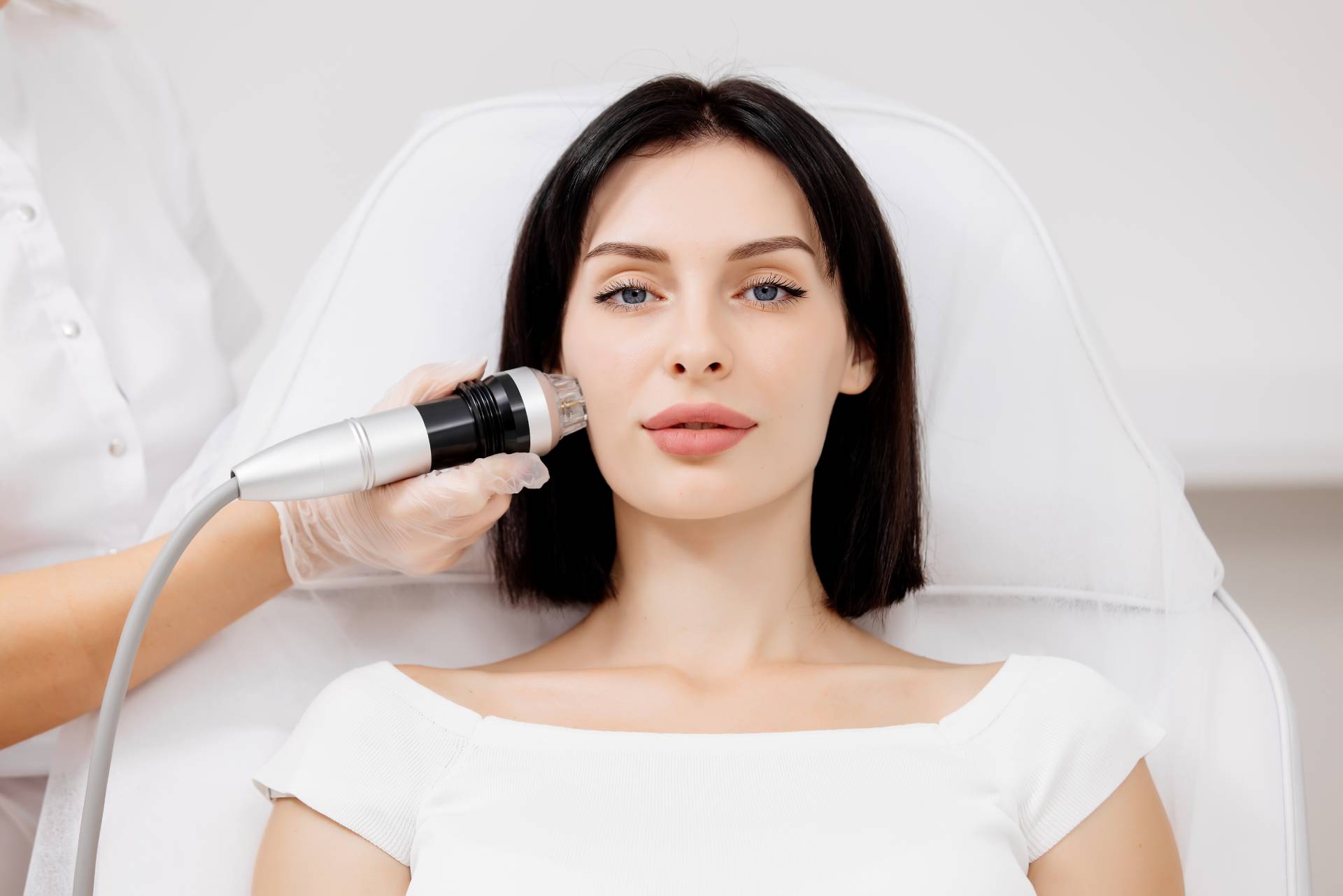
- The laser is applied to the affected areas.
- Cooling technology or soothing gels may be used to improve comfort.
Many sessions are completed within 20 to 45 minutes, depending on the size of the treatment area.
Is the Treatment Painful?
Most patients describe the sensation as mild discomfort, often compared to a rubber band lightly snapping against the skin. Modern laser systems frequently include cooling features to make treatment more comfortable.
For individuals with greater sensitivity, a topical numbing cream may be applied before the procedure if appropriate.
Recovery and Aftercare
Recovery is generally straightforward, although temporary redness, mild swelling, or darkening of the treated pigmentation can occur before improvement becomes visible.
Aftercare recommendations typically include:
- Applying sunscreen daily
- Avoiding direct sun exposure
- Keeping the skin moisturized
- Avoiding harsh exfoliants until advised
- Following all post-treatment instructions provided by your clinician
Protecting your skin from ultraviolet (UV) exposure is especially important to reduce the risk of new pigmentation developing.
How Many Sessions Are Needed?
The number of sessions depends on several factors, including:
- Type of pigmentation
- Depth of pigment
- Skin tone
- Size of the treatment area
- Individual response to treatment
Some superficial spots may improve after one session, while deeper or more widespread pigmentation may require a series of treatments spaced several weeks apart.
Who Is a Good Candidate?
Laser pigmentation treatment may be suitable for adults with benign pigmentation concerns who are in good overall health and have realistic expectations.
A consultation is important to determine whether laser therapy is the best option, particularly for individuals with darker skin tones, melasma, or certain medical conditions, as treatment plans may need to be customized.
Types of Laser Technology
Clinics may use different technologies depending on the pigmentation being treated.
Common options include:
- Q-switched lasers
- Picosecond lasers
- Fractional lasers
- Alexandrite lasers
- Nd:YAG lasers
Each system has unique characteristics, and the most appropriate choice depends on your skin type and diagnosis.
Safety Considerations
Laser treatments should always be performed by trained and qualified professionals using appropriate equipment.
Before treatment, your practitioner should:
- Review your medical history
- Assess your skin type
- Discuss potential risks and benefits
- Explain expected outcomes
- Provide personalized aftercare instructions
Possible side effects may include temporary redness, swelling, changes in skin color, or, in rare cases, blistering or scarring. Following professional guidance helps reduce these risks.
Maintaining Your Results
While laser treatment can significantly reduce existing pigmentation, maintaining results requires ongoing skin care.
Helpful habits include:
- Wearing broad-spectrum sunscreen every day
- Using protective clothing and hats outdoors
- Avoiding excessive sun exposure
- Following a suitable skincare routine
- Scheduling maintenance treatments if recommended
These measures can help preserve a brighter, more even complexion over time.
Choosing the Right Clinic
When selecting a provider for Laser For Pigmentation, consider:
- Qualified and experienced practitioners
- Thorough consultations
- Modern, well-maintained laser equipment
- Transparent pricing
- Positive patient reviews
- Personalized treatment plans
- Clear aftercare support
A reputable clinic will assess your individual needs rather than offering a one-size-fits-all solution.
Conclusion
Laser For Pigmentation is an effective and minimally invasive option for reducing unwanted dark spots and improving overall skin tone. By targeting excess melanin with precision, laser treatments can help address concerns such as sun damage, freckles, post-acne marks, and other forms of pigmentation while preserving the surrounding skin.
The best outcomes are achieved through professional assessment, appropriate treatment selection, and diligent aftercare—especially consistent sun protection. If you’re considering laser treatment for pigmentation, consult a qualified practitioner to determine the safest and most suitable approach for your skin type and cosmetic goals. With the right care, clearer, brighter, and more even-looking skin is an achievable goal.